
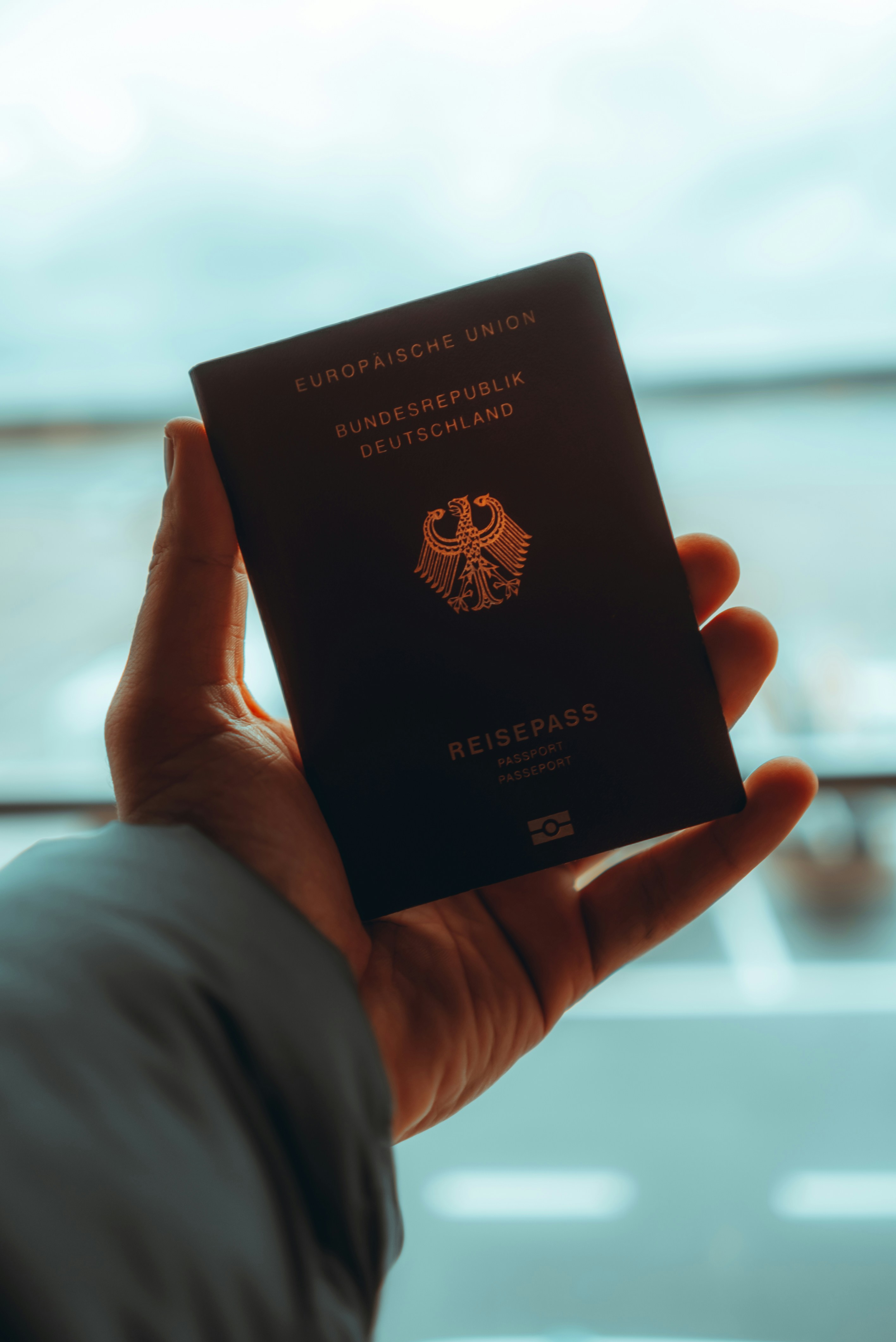
Introduction to Schengen Visa Eligibility
The Schengen visa is a powerful travel document that allows individuals to move freely within the 26 countries that comprise the Schengen Area. This visa is particularly significant for tourists and business travelers, as it simplifies the travel process by enabling access to multiple destinations without the need for separate visas for each country. Understanding the eligibility criteria for obtaining a Schengen visa is essential for anyone considering travel within this zone, as it lays the groundwork for a smooth application process.
Eligibility for a Schengen visa primarily revolves around several key factors, including the purpose of travel, applicant nationality, and financial capabilities. Applicants must typically demonstrate a valid reason for their visit, such as tourism, business, or family reunification. Additionally, one must have a passport that is valid not only at the time of entry but also for at least three months following the intended departure from the Schengen Area.
Financial means to support oneself during the stay is another cornerstone of Schengen visa eligibility. Applicants are often required to provide proof of financial stability, which may include bank statements or sponsorship letters, to assure authorities that they can cover their expenses while in the region. Health insurance, covering any potential medical costs during the trip, is also a critical eligibility requirement, as it ensures that applicants can receive necessary medical attention without burdening public health systems.
Understanding these criteria highlights the importance of thorough preparation before applying. Failure to meet the Schengen visa eligibility requirements can lead to delays or outright denials, undermining travel plans. Hence, prospective travelers are advised to review all eligibility criteria carefully and gather the necessary documentation to facilitate a successful application process.
Applying for a Schengen visa requires meeting several general eligibility criteria that are consistent across most applicant categories. Understanding these prerequisites is essential for a successful application.
Firstly, one of the primary conditions for eligibility is possession of a valid passport or travel document. This document should remain valid for at least three months beyond the intended date of departure from the Schengen area. Moreover, it should have been issued within the last ten years and must contain at least two blank pages for the visa stamp.
Secondly, the purpose of travel significantly influences eligibility. Applicants must clearly define their reasons for entering the Schengen zone, which can include tourism, business, study, or family visits, among others. This declaration is required to align with the type of visa being applied for, ensuring adherence to the specific regulations of the Schengen Agreement.
Another critical criterion pertains to the financial means of the applicant. It is vital to demonstrate sufficient financial resources to cover the duration of stay in the Schengen countries. This includes covering expenses such as accommodation, transportation, and daily living costs. Applicants might need to provide bank statements, sponsorship letters, or evidence of employment to showcase their financial capability.
In addition to financial proof, Schengen visa applicants must also demonstrate that they possess travel health insurance. This insurance should cover any medical emergencies or unexpected incidents during their stay, with a minimum coverage of €30,000. Insufficient coverage may disrupt one’s eligibility.
Overall, adhering to these general eligibility criteria is crucial for individuals who seek to navigate the Schengen visa application process smoothly. This understanding forms the foundation of a successful visa request.
Specific Requirements Based on Nationality
When applying for a Schengen Visa, it is crucial to understand that eligibility can differ significantly depending on the applicant’s nationality. This is mainly due to the varying agreements and policies that the Schengen Area has established with different countries worldwide. Some nationalities are granted visa-free entry to the Schengen states, whereas others must undergo a visa application process.
Nationals from the European Union (EU) and the European Economic Area (EEA) countries, as well as Switzerland, do not require a visa to visit Schengen countries. They can stay for up to 90 days within a 180-day period for tourism, business, or family visits. Registering their entry and exit is generally not mandatory for citizens of these countries, which simplifies travel.
In stark contrast, there are countries whose citizens do need a Schengen Visa prior to their arrival. These countries often include regions from Asia, Africa, and the Middle East. For instance, applicants from countries like India, Pakistan, and Nigeria are required to apply for a visa, providing various documents such as financial statements, travel itineraries, and proof of accommodation. Additionally, there are some unique diploma or procedural rules for specific nationalities, such as those from certain countries having access to expedited processing or alternative documentation options.
Furthermore, it is worth noting that nationalities which are historically prone to overstaying their visa may face stricter scrutiny during the application process. Therefore, understanding the specific requirements based on nationality is vital for prospective travelers, ensuring they navigate the visa application procedure effectively and adhere to the necessary legal protocols.
Eligibility Based on Travel Purpose
When applying for a Schengen visa, the purpose of travel plays a critical role in determining eligibility and the necessary documentation required for the application process. The Schengen Area comprises multiple countries, and each has specific requirements depending on the reason for the intended visit.
One of the most common travel purposes is tourism. Individuals traveling for leisure must provide documents such as a detailed itinerary, proof of accommodation, and evidence of sufficient financial means to cover their stay. It is essential for tourists to demonstrate intent to return to their home country after their visit, thereby ensuring compliance with visa regulations.
For business travelers, the application entails providing additional documentation, which may include an invitation letter from a business partner located in the Schengen zone, proof of previous business interactions, and evidence of the nature of the business activities planned during the visit. This type of visa focuses on facilitating professional exchanges that enhance economic cooperation.
Students seeking to study in a Schengen country must adhere to distinct eligibility criteria. They are required to submit proof of enrollment in an educational institution, financial statements to cover tuition and living expenses, and assurance of accommodation. Additionally, some countries may require health insurance as part of the application process.
Finally, individuals traveling for family visits must present documents that verify their relationship with the family member residing in the Schengen area. This can include birth certificates, marriage licenses, and a letter of invitation from the host. Demonstrating the purpose of stay convincingly is crucial for securing the visa.
Financial Requirements for Schengen Visa Eligibility
When applying for a Schengen Visa, it is imperative for applicants to demonstrate that they can financially support themselves during their stay in the Schengen Area. Financial requirements play a crucial role in determining visa eligibility and encompass several key components, including proof of accommodation, travel insurance, and evidence of sufficient funds.
The first financial requirement is proof of accommodation. Applicants must show that they have secured lodging for the entire duration of their visit, whether it be through a hotel reservation or a rental agreement. This is essential, as it indicates that the applicant has a place to stay, alleviating concerns regarding homelessness or strain on local services.
Secondly, obtaining travel insurance is non-negotiable. For a Schengen Visa, applicants must have insurance coverage that meets specific criteria. The insurance should cover medical emergencies, repatriation in case of health-related issues, and has a minimum coverage amount of €30,000. This ensures that applicants can receive necessary medical attention and further assures authorities of their preparedness for unexpected situations.
Moreover, applicants need to prove they possess sufficient financial means to cover daily expenses throughout their stay. The exact amount required varies by country and length of stay, but it typically averages around €50 per day. Applicants may be asked to provide bank statements, proof of employment, or other financial documentation to validate their claims. Meeting these financial benchmarks is crucial for the successful approval of a Schengen Visa application, as they provide reassurance to immigration authorities of the applicant’s ability to sustain themselves without resorting to public funds.
Eligibility for Minors and Dependent Applicants
When applying for a Schengen Visa, special considerations must be taken into account for minors and dependent applicants. A minor is defined as an individual under the age of 18, and their visa application process differs from that of adults. One of the primary requirements is obtaining parental consent. This consent is crucial, as it affirms that the legal guardians approve of the minor’s travel plans.
In addition to parental consent, the application for a minor must include several essential documents. A completed visa application form must be submitted, signed by both the minor and the parent or legal guardian. A valid passport, which must not be older than ten years and is required to be valid for at least three months beyond the intended stay, needs to be provided. Additionally, two recent passport-sized photographs adhering to the Schengen Visa photo requirements must accompany the application.
For dependent applicants, such as those relying on a primary visa holder, the documentation requirements parallel those of minors. Dependents may include students, spouses, or other family members reliant on the primary applicant. They must present a valid passport and evidence of their relationship with the primary applicant, such as marriage certificates or birth certificates. Furthermore, financial proof may be required to demonstrate that the primary applicant can support their dependents during travel.
It is also important to ensure that the travel insurance purchased covers minors and dependent applicants adequately. This aspect is vital, as the Schengen Visa regulations mandate that all travelers possess valid insurance with a minimum coverage of €30,000 for medical emergencies. Addressing these specific considerations ensures a smoother application process for minors and dependents in seeking a Schengen Visa.
Health Insurance Requirements for Eligibility
One of the pivotal requirements for obtaining a Schengen visa is the possession of adequate health insurance. This requirement ensures that travelers have a financial safety net during their stay, should medical emergencies arise. To effectively meet the Schengen visa eligibility criteria, applicants should pay particular attention to the specifics of their health insurance coverage.
Firstly, the insurance must offer a minimum medical coverage of €30,000. This amount is crucial, as it is designed to cover potential medical expenses incurred while in Schengen countries, including emergency medical treatment, hospitalization, and repatriation for medical reasons. It is essential for travelers to verify that their chosen policy meets this minimum coverage, as many providers may offer plans with lower limits.
Moreover, the duration of the health insurance must align with the period of stay in the Schengen zone. For example, if an applicant intends to remain in Europe for 30 days, their insurance policy should provide coverage for the entire duration, ensuring continuous protection. This factor is particularly important, as gaps in coverage can lead to visa denial during the application process.
Additionally, the insurance needs to be recognized by Schengen states. Travelers should ensure that their chosen insurance provider is on the list of accepted insurers as specified by the consulate or embassy of the country they wish to visit. Commonly recognized insurance providers typically offer plans tailored to the requirements of the Schengen area and are familiar with the necessary documentation required for visa applications.
In summary, understanding and meeting the health insurance requirements is paramount for anyone looking to obtain a Schengen visa. Adequate coverage, appropriate duration, and approval from recognized providers will play a crucial role in ensuring a smooth application process and overall travel experience.
Exceptions and Special Cases
The Schengen visa, primarily known for its streamlined approach towards travel within the Schengen Area, comes with a set of eligibility requirements designed to maintain security and order. However, specific exceptions apply to certain categories of travelers that may not adhere to the standard rules. Understanding these exceptions is essential for those whose circumstances do not fit the conventional criteria.
One notable exception pertains to diplomatic staff and officials. Diplomats representing their countries, whether on official missions or stationed abroad, are typically exempt from the Schengen visa process. Instead, they operate under specific agreements and protocols established between nations, facilitating their movement within participating countries without the need for a visa.
Another group deserving attention is refugees and asylum seekers. Individuals who have been granted refugee status or international protection by a Schengen state can travel to other member countries without the necessity of a visa. This provision supports humanitarian principles and reflects the commitment of Schengen nations to uphold the rights of vulnerable populations.
Additionally, there are circumstances involving familial ties that may affect visa eligibility. Close family members of EU citizens, including spouses or children, can sometimes bypass standard procedures under the EU freedom of movement laws. This facilitates reunification and strengthens the rights of families across borders.
Other specific cases might include emergency travel for humanitarian reasons or participation in international events like cultural exchanges or conferences. In such instances, individual assessments are generally conducted to determine the appropriate course of action based on the traveler’s extraordinary circumstances.
Conclusion
Understanding the eligibility criteria for a Schengen visa is crucial for applicants seeking to travel within Europe. Throughout this blog post, we have highlighted the key components involved in determining eligibility. The Schengen Agreement allows individuals from various countries to apply for a visa that grants them access to multiple member states with a single document, streamlining the travel process significantly.
Firstly, it is essential to recognize the different types of Schengen visas available, such as the short-stay visa, long-stay visa, and transit visa, each serving specific travel purposes. Applicants should identify which category aligns with their intentions, as this plays a critical role in the eligibility assessment.
Moreover, understanding the documentation required is integral to successfully applying for a Schengen visa. Essential documents typically include a valid passport, travel itinerary, proof of accommodation, travel insurance, and financial means to support oneself during the stay. Providing accurate information and documentation is imperative, as discrepancies can lead to visa application rejections.
Additionally, applicants must be mindful of the general eligibility requirements stipulated by the member states, which emphasize factors such as purpose of travel, the individual’s background, and adherence to regulations. Ensuring compliance with these criteria not only facilitates a smoother application process but also enhances the likelihood of approval.
In conclusion, grasping the intricate details surrounding Schengen visa eligibility is vital for aspiring travelers. Being well-informed equips applicants with the necessary knowledge to effectively navigate the application process and increases their chances of a successful visa outcome, allowing them to explore the diverse experiences offered within the Schengen area.

Leave a Reply