
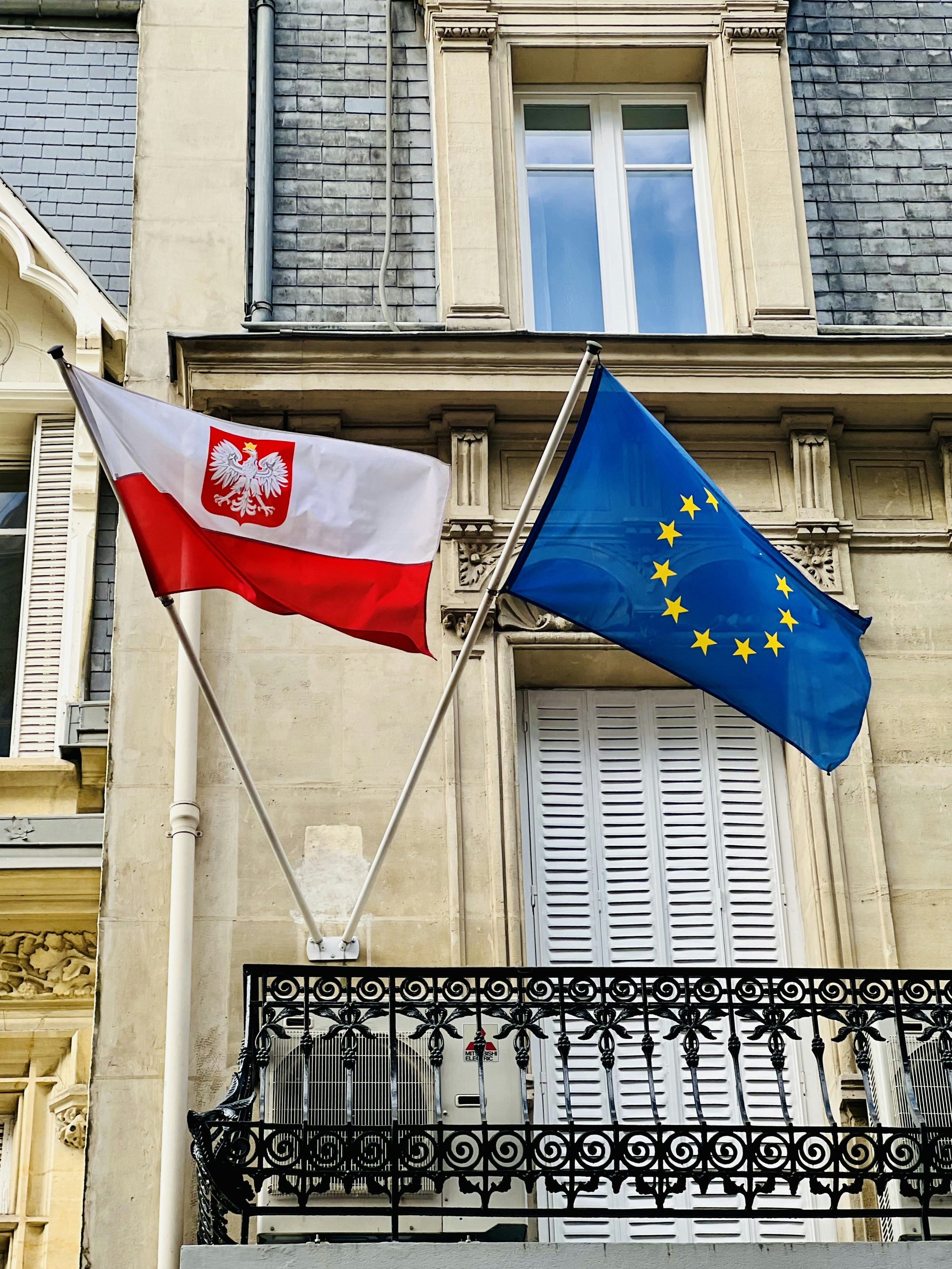
Understanding Work Permits in Poland
Work permits in Poland are legal documents required for foreign nationals who wish to engage in employment within the country. These permits are designed to regulate the labor market, ensuring that jobs are primarily available to Polish citizens and residents. The significance of obtaining a work permit cannot be understated, as it is a crucial step for expatriates seeking legitimate employment opportunities in Poland. Without a proper work permit, foreign workers may be subject to legal penalties, including fines and deportation.
The legal framework governing work permits in Poland is primarily defined by the Polish Labor Code and respective regulations issued by the Ministry of Family and Social Policy. This framework stipulates various guidelines regarding who requires a work permit, the application process, and the categories of permits available, reflecting Poland’s commitment to managing its labor market responsibly while still welcoming qualified foreign workers.
Foreign nationals must be aware of the different categories of work permits available, as each type caters to specific situations. The most commonly known permits include the Type A permit, applicable to individuals employed by a Polish entity, and the Type B permit for company directors. Other categories include Type C for intra-company transfers, Type D for foreign workers appointed by entities located abroad, and Type E for seasonal work. Understanding these classifications is essential for applicants to determine the correct type of permit needed for their intended employment.
In conclusion, navigating the work permit system in Poland is crucial for foreign workers seeking to maximize their chances of success in the Polish job market. Each category of work permit serves a distinct purpose, making it vital for applicants to assess their specific circumstances prior to initiating the application process.
Types of Work Permits in Poland
Poland offers a variety of work permits to accommodate foreign workers seeking employment within its borders. Understanding the distinctions between each type is essential for individuals planning to work in Poland. The primary work permits available include Type A, Type B, Type C, and Type D. Each category serves specific needs based on the nature of employment and the duration of stay.
Type A permits are the most common and are intended for individuals planning to work for employers established in Poland. This permit is applicable for foreign workers engaged in employment contracts and who will perform their duties locally. Eligible professions vary widely, covering sectors such as engineering, healthcare, IT, and hospitality. It is important to note that these permits typically require a job offer from a Polish employer.
Type B permits are designated for workers in managerial positions or for those who are board members of a company operating in Poland. This category allows foreign nationals to work for up to three years, provided their position is essential for the firm’s operation. Furthermore, individuals seeking Type B permits must demonstrate that their skills are necessary for the company, and they must explore local labor markets prior to applying.
For those engaged in short-term assignments, Type C permits are applicable. This permit is granted to foreign workers employed by a company based abroad who are temporarily assigned to Poland. Examples of organizations that might require Type C permits include multinational corporations sending employees for specific projects.
Finally, Type D permits are designed for long-term work in specific situations, offering flexibility for workers in academia, research, or project-based employment. These permits cater to highly skilled professionals and can also be granted based on conventions or agreements between governments.
Eligibility Criteria for Obtaining a Work Permit
To successfully apply for a work permit in Poland, foreign nationals must meet several eligibility requirements. These requirements vary depending on the type of work permit being applied for and the applicant’s specific circumstances. Key qualifications include having a job offer from a Polish employer, as the work permit is typically sponsored by an employer seeking to fill a particular position.
Firstly, the applicant should possess the required education or professional qualifications relevant to the job. This often includes formal education credentials or professional licenses, which need to be validated under Polish law. Additionally, it is important to note that certain sectors might have specific qualifications that must be demonstrated.
The necessary documents for a work permit application usually include a valid passport, a completed visa application form, and proof of employment such as a job offer or contract. In many instances, applicants must also submit documentation demonstrating their qualifications, professional experience, and a clean criminal record. Furthermore, language proficiency may be a requirement, depending on the nature of the job. While not all positions demand Polish language skills, essential communication roles often require at least a basic or intermediate level of Polish.
It is crucial for foreign nationals to understand that different rules may apply based on nationality. For instance, citizens from European Union countries generally face fewer barriers in obtaining work permits compared to those from non-EU countries. Additionally, specific industries such as IT or healthcare may have expedited procedures or distinct requirements compared to others.
By thoroughly familiarizing themselves with these eligibility criteria, applicants can ensure they present a complete application, minimizing the likelihood of delays or rejections in their pursuit of a work permit in Poland.
Application Process for a Work Permit in Poland
The application process for obtaining a work permit in Poland can be quite structured and requires careful attention to detail. Individuals seeking employment in Poland must first identify the appropriate type of work permit based on their specific situation. The most common permits are the Type A work permit, for employees of companies registered in Poland, and the Type B, C, D, or E permits for other specific circumstances.
To initiate the application process, applicants must submit their applications through the local Voivodeship Office (Urząd Wojewódzki), where the employer is based. The application form can typically be downloaded from the office’s official website or obtained in person. It is essential to complete the form accurately and comprehensively to avoid delays.
Alongside the completed application form, applicants must provide several supporting documents. These typically include proof of valid employment, such as a job offer from a Polish employer, evidence of qualifications and experience, a passport copy, and photographs that meet specific requirements. Depending on the type of work permit, additional documentation may be necessary, such as a business plan for self-employment permits.
Once the complete application is submitted, the processing time can vary significantly based on several factors, including the volume of applications being handled by the office. Generally, the processing period may take anywhere from one to several months. Applicants often encounter challenges during this phase, such as missing documentation or additional requests for information from the office. Therefore, it is advisable to maintain open communication with the authorities and promptly provide any requested information to facilitate the process.
In summary, understanding the steps involved in applying for a work permit in Poland is crucial for ensuring a successful application. By preparing thoroughly and staying informed about required documents and potential issues, applicants can navigate the process with greater confidence.
Important Documents Required for Work Permit Application
Applying for a work permit in Poland involves several essential documents that must be submitted to ensure a successful application. Understanding the requirements is crucial for a smooth process. The main documents typically required include:
1. Job Offer Letter: The first and most critical document is the job offer letter from a Polish employer. This letter should outline the job position, salary, and the terms of employment. It serves as proof that the applicant has secured employment in Poland, which is foundational for the work permit application.
2. Proof of Qualifications: Applicants must provide documentation verifying their educational and professional qualifications. This could involve diplomas, degrees, and certificates that demonstrate the applicant’s expertise in their field. In some instances, these documents may need to be translated into Polish by a certified translator.
3. Curriculum Vitae (CV): A detailed CV that outlines the applicant’s professional experience and skills relevant to the job being applied for is also necessary. This document helps to assess the applicant’s suitability for the position.
4. Notarized Documents: Some applications may require that certain documents be notarized. This is particularly true for important legal documents or academic qualifications. Notarization adds an extra layer of verification to the application process, enhancing its credibility.
5. Health and Insurance Details: Proof of health insurance coverage is often required, demonstrating that the applicant has adequate health protection while in Poland. This can be crucial for the processing of the work permit.
6. Passport Copies: Finally, applicants must submit copies of their passport, ensuring that the documentation is current and valid.
As the application process can vary based on individual circumstances, it is advisable for applicants to check the specific requirements outlined by the Polish authorities before proceeding. Proper preparation of these documents will facilitate a more efficient application process.
Costs and Fees Associated with Work Permits
Obtaining a work permit in Poland involves various costs and fees that applicants must consider as part of the process. Initially, there is the application fee, which typically ranges from 50 to 100 PLN, depending on the type of work permit being applied for. It is crucial to confirm the exact fee based on current regulations, as these can vary over time and by individual circumstances.
In addition to the application fee, applicants may incur other costs, such as legal consultation fees, should they choose to seek professional assistance. While not mandatory, consulting with visa specialists or legal advisors can help navigate the complexities of the application process. Fees for such consultations can vary widely, from 200 to 1000 PLN, based on the consultant’s experience and the services offered.
Furthermore, applicants should also anticipate expenses related to required documentation. For instance, obtaining necessary translations, medical certificates, or background checks can contribute to the total costs. Each of these services can add between 50 to 300 PLN to the overall expenses. Additionally, if applicants are required to travel for in-person appointments at consulates or immigration offices, travel costs should also be factored in.
Finally, it is advisable for applicants to set aside some funds for potential expedited processing fees. In urgent situations, an applicant might wish to fast-track their application, which could incur additional charges. Overall, a well-planned budget that accounts for these fees will facilitate a smoother application process for obtaining a work permit in Poland.
Renewing or Changing Your Work Permit
When a work permit is approaching its expiration date, it is crucial for foreign workers in Poland to consider the necessary steps for renewal or any potential changes. The renewal process begins ideally at least three months prior to the permit’s expiration; this allows ample time for processing and avoids any lapse in legal work status.
To renew a work permit, applicants must submit a renewal application, which generally requires supporting documentation similar to that of the initial application. Commonly required documents include proof of continued employment with the same employer, a valid passport, and the original work permit. It is also necessary to include evidence of a clean criminal record, a medical check-up report, and proof of accommodation, which reflects the applicant’s ongoing commitment to staying in Poland.
It is important to note that while renewing a work permit typically follows a similar process to the original application, changing a work permit may be more complex. If an individual wishes to change their employer or role, they may need to apply for a new work permit rather than simply renewing the existing one. This would involve a new application process, which may require different documentation based on the new employer’s criteria and the nature of the job. The timelines for processing a new permit application can vary significantly, often taking longer than a renewal, thus it is recommended to initiate this process as soon as the decision to change employment is made.
Overall, being proactive about the work permit timeline and understanding the renewal versus change process can help ensure that foreign workers maintain lawful employment status in Poland without unnecessary interruptions.
Rights and Responsibilities of Work Permit Holders
Individuals who hold a work permit in Poland are entitled to a range of rights that align with national labor laws and international labor standards. The primary rights of these workers include the right to fair treatment in their workplace, which encompasses non-discrimination, equal pay for equal work, and protection against unjust dismissal. Work permit holders are also entitled to safe and healthy working conditions, as employers are legally obligated to ensure that the work environment adheres to safety standards.
Moreover, labor laws in Poland protect work permit holders against exploitation and ensure that they receive benefits equivalent to those guaranteed to Polish citizens, including health insurance and social security contributions. Workers also have the right to form or join trade unions, allowing them to voice their concerns and negotiate better working conditions collectively.
On the flip side, work permit holders have specific responsibilities that come with their legal status. One of the most critical duties is to adhere to the conditions stipulated in their work permit. This includes maintaining employment with the employer listed in their permit and not engaging in unauthorized work. Non-compliance can lead to penalties, including potential deportation and bans on re-entering Poland.
Additionally, work permit holders must be aware of and fulfill their tax obligations. Income earned while working in Poland is subject to local taxation, and individuals are required to submit their tax returns accurately and in a timely manner. Maintaining legal status is also paramount; individuals must renew their work permits as required and ensure that they do not overstay their permitted duration of stay in Poland.
Conclusion and Additional Resources
In summary, navigating the landscape of Poland work permits requires an understanding of various regulations, types of permits, and the application processes involved. This blog post has provided a comprehensive overview, detailing the critical steps necessary for securing a work permit in Poland. From the essential requirements and various permit categories, such as the Type A, B, and C work permits, to the necessary documentation and timeline expectations, it is crucial for expatriates and foreign workers to be well-informed before embarking on this journey.
Beyond the essential information provided herein, readers are encouraged to explore additional resources to ensure a smooth work permit application process. The official government website of the Polish immigration authority offers detailed guidelines and updates on the current regulations concerning work permits. Direct links to specific pages with application forms, eligibility criteria, and fee structures can often provide clarity on any uncertainties.
For personalized guidance, expatriates may consider reaching out to local immigration offices or legal counsel specialized in work permit applications. Moreover, engaging with local expatriate communities, such as forums or social media groups dedicated to the expat experience in Poland, can yield valuable insights. These platforms often share first-hand experiences, tips, and advice that can prove beneficial during the transition process.
As you prepare for your professional journey in Poland, do not hesitate to tap into these resources. A well-planned approach will facilitate not only a successful work permit application but also a rewarding and enriching experience as you settle into this vibrant country.

Leave a Reply